

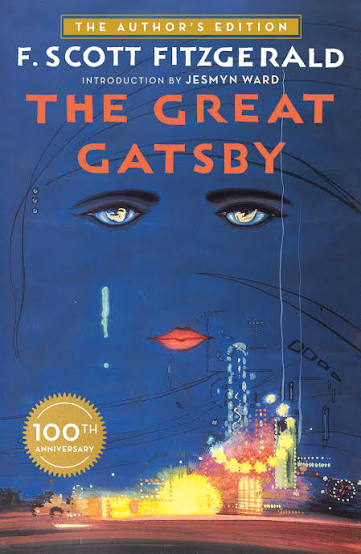
When I first read The Great Gatsby, I was too young to understand it — the story felt dull and confusing. But years later, after watching the movie, the book’s meaning finally clicked. I began to see how wealth, status, and class barriers shape Gatsby’s world, and how his story reflects the painful truth about trying to rise above where you come from.
Gatsby’s tragedy isn’t just one of obsession or greed. It’s the story of a man trying to climb a ladder built to keep him out. His dreams are both magnificent and naive — a collision of ambition and devotion. What makes him extraordinary is that, even as he remakes himself, he never abandons the dream that made him. His pursuit of wealth isn’t hollow; it’s a love story disguised as an empire.
Tom Buchanan coasts through life buoyed by birthright. Gatsby claws his way upward, self-made yet never self-secure. He’s too rich for the poor, too poor for the rich – forever stranded between two worlds. Still, he keeps reaching. He teaches himself refinement, forges connections, takes reckless risks. His drive isn’t fueled by greed alone – greed burns out faster than that. No, he’s propelled by longing: for love, for belonging, for something he can never quite touch.
Daisy becomes more than a woman – she’s the embodiment of the dream itself, golden and untouchable. But she belongs to the world that rejects him. Their love story, then, is less a romance than a class war fought in whispers and champagne. Gatsby’s persistence makes him noble, but it’s also what destroys him. His guilt, his tenderness, his fierce loyalty to the past – all of it mark him as human in a world that rewards only the ruthless.
Fitzgerald doesn’t despise Gatsby; he reveres him, even as he exposes his flaws. He paints him in contradictions – brutal yet soft, idealistic yet calculating. Gatsby is an impossible man in an unforgiving world, punished for daring to reach beyond his station. Society celebrates the rich but despises the ones who try to become them.
In the end, Gatsby is a kind of martyr – sacrificed on the altar of the American Dream.
He loses Daisy, but not himself. That, perhaps, is his real greatness: he remains tender in a world that demands hardness.
Maybe The Great Gatsby could just as easily have been called The Brave Gatsby – or even The Soft Gatsby. Because in his contradictions lies his humanity.
To the poor, he’s hope incarnate. To the rich, he’s a warning. But to Fitzgerald, he’s the whole picture: the shimmering collision of dream and reality, and the inevitable price of reaching too high